$49 Diagnostics + Waived w/ Repair
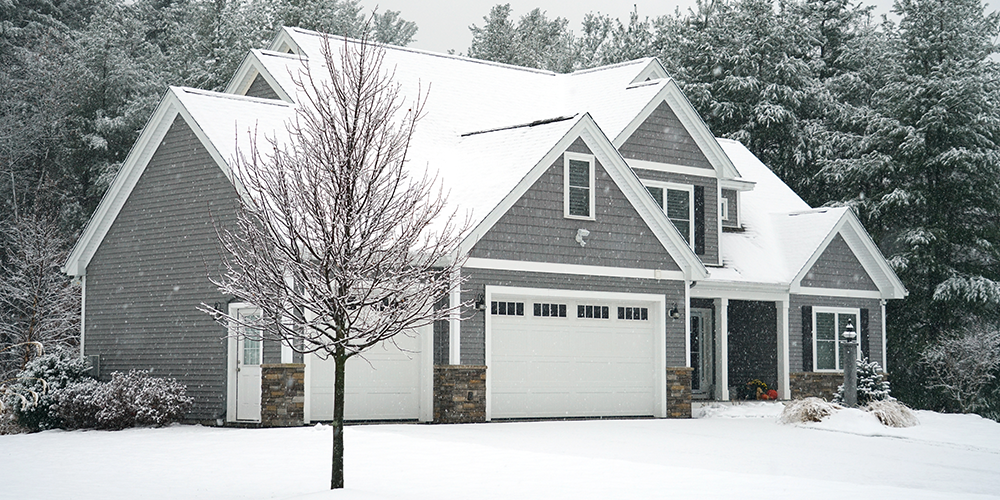
Shutting down your cooling equipment in the autumn helps prevent severe freeze damage. Harsh Southeastern Wisconsin winters bring heavy snow, freezing rain, and bitter winds. These conditions can easily harm unprotected outdoor parts. Taking time to learn how to winterize your AC unit in Wisconsin protects your equipment and reduces the risk of early system failure. It also helps ensure reliable cooling when warm weather returns. This guide from New Berlin Heating & Air Conditioning explains how to cut power safely, clear yard debris, and shield the cabinet against winter weather.
Learning how to winterize your AC unit in Wisconsin begins with cutting electrical power. Turning off your outdoor central air conditioner helps prevent sudden, unwanted starts. Warm autumn afternoons often cause indoor thermostats to call for cooling. Most manufacturer literature cautions against running cooling equipment when outdoor temperatures drop to 60°F or below. In cold weather, compressor oil thickens and cannot lubricate moving parts as effectively, and liquid refrigerant can migrate back to the compressor and damage internal valves on startup. Cutting power stops the system from running by accident on unseasonably warm fall days.
Use the outdoor disconnect switch to shut down the unit. This switch rests in a metal electrical box mounted on the exterior wall near your outdoor AC condenser. Open the metal door to access the pullout block or switch. Pull the block straight out, or flip the toggle switch to the off position. Close the box door securely to keep snow, ice, and pests out of the controls.
Decaying leaves and yard waste hold wet soil against exterior panels. Piled foliage also invites field mice to nest inside the base pan. Manufacturer installation instructions commonly call for at least 12 inches of clear space around the condenser, though many contractors recommend closer to two feet for better airflow and easier access during maintenance. Rake away damp leaves, weeds, tall grass, and fallen branches from this zone. Maintaining this open perimeter supports proper airflow and lets melting snow drain cleanly away from the concrete equipment pad.
Choose a mild autumn day before the first hard freeze to wash the condenser. Rinsing the exterior coil clears out dirt, pollen, and lawn clippings trapped between aluminum fins. Use gentle water pressure from a common garden hose. Point the stream downward to wash grime away safely. Never use a high-pressure washer on your unit. High water pressure can crush delicate aluminum fins and block vital airflow.
HVAC manufacturers build modern condensing units to withstand rain, cold temperatures, and snow without full wraps. Painted steel cabinets and factory coil coatings resist rust during typical Midwest winters. In fact, full wraps often create more problems than they solve. Tight vinyl or plastic wraps trap rising ground moisture inside the cabinet. Trapped condensation can rust internal metal parts and corrode electrical connections over time. Homeowners often ask how to winterize their AC unit in Wisconsin without creating moisture traps. The simple answer is to avoid wrapping the entire unit. Wrapped cabinets can also create warm, sheltered nests for mice that chew electrical wiring.
Most units do not need full wraps, but Southeastern Wisconsin winters present specific hazards. Falling ice and roof icicles can dent the top grille, crack fan blades, or bend the motor shaft. Decaying autumn leaves can also pack tightly into the fan housing.
You can use a breathable winter AC cover or a flat piece of exterior plywood across the top. To protect your air conditioner from overhead damage, place the cover over the top grille and secure it with a patio paver. Leave all four side louvers open so air circulates freely and moisture can evaporate. This method helps deflect falling ice while avoiding the rust and rodent problems linked to full plastic wraps.
Before you store your garden tools, inspect the insulated suction line running from the condenser into your home foundation. This copper pipe requires thick foam insulation to reduce energy loss and protect the line. Exposure to sun, rain, and nesting wildlife degrades foam insulation over time. Damaged insulation leaves bare copper exposed to freezing temperatures. Replace any torn sections with new tubular foam pipe insulation. Wrap each joint tightly with weather-resistant exterior tape.
Completing your fall shutdown routine is a good opportunity to prepare your heating equipment. Many homeowners schedule professional fall AC maintenance at the same time as their annual furnace tune-up. Pairing both visits in one appointment keeps your home comfortable year-round. A certified technician can review your furnace or whole heating system, verify safety controls, and help make sure your home stays warm before winter storms arrive.
Taking proper care of your outdoor unit in the fall protects mechanical components from harsh winter weather. Following these seasonal steps on how to winterize your AC unit in Wisconsin helps you avoid expensive breakdowns. Flipping the outdoor disconnect switch, clearing dead foliage, and rinsing the coil keeps grime away from internal parts. Adding a breathable top cover helps guard against falling ice damage while letting internal moisture vent freely into the air. These simple steps keep your equipment in good shape throughout the winter freeze. Your system will be ready to deliver reliable indoor comfort as soon as warm weather returns.
Preparing your heating and cooling equipment for harsh Wisconsin weather is simple when you partner with experienced technicians. Our team helps homeowners learn how to winterize their AC unit in Wisconsin while keeping heating equipment running at peak performance. Established in 1983, New Berlin Heating & Air Conditioning delivers prompt, dependable seasonal maintenance for homeowners across Southeastern Wisconsin, including Waukesha County and Milwaukee County. Our licensed professionals perform thorough heating tune-ups and offer same-day service to keep your home warm and secure all winter long. Visit our Southeastern Wisconsin service area page to schedule your fall heating maintenance, or contact us today to get started.
At New Berlin Heating & Air Conditioning, we are committed to ensuring that individuals with disabilities enjoy full access to our websites. In recognition of this commitment, we are in the process of making modifications to increase the accessibility and usability of this website, using the relevant portions of the Web Content Accessibility Guidelines 2.0 (WCAG 2.0) as our standard. Please be aware that our efforts are ongoing. If at any time you have difficulty using this website or with a particular web page or function on this site, please contact us by phone at (262) 999-5746; or email us at ([email protected]) and place “Web Content Accessibility (ADA)” in the subject heading and we will make all reasonable efforts to assist you.