$49 Diagnostics + Waived w/ Repair
A cracked heat exchanger or a blocked vent pipe can send toxic gas into your living space. Learning about carbon monoxide and your furnace helps you spot safety risks early. Fuel-burning heating systems burn fuel in a closed chamber. They send exhaust fumes outside through a dedicated flue pipe.
When parts wear out, or pipes clog, exhaust fumes can mix with indoor air. Your home’s duct system then moves those fumes into every room. A good gas furnace must vent clean air. This guide explains how heating units create combustion gases. You will also learn key warning signs and simple ways to protect your indoor air quality.
A gas or oil furnace warms your home by burning fuel in a sealed space. When burners get the right mix of fuel and fresh air, the fuel burns clean. This clean burn creates water vapor and carbon dioxide. Incomplete combustion happens when burners lack air or fuel pressure drops. When fuel does not burn all the way, the flame makes carbon monoxide. Learning about carbon monoxide and your furnace is a vital part of seasonal home care.
The heat exchanger is a metal barrier between flue gas and indoor air. Hot combustion fumes flow through the inside of this metal chamber. At the same time, the blower fan blows indoor air across the outside walls. This setup warms your living space while keeping toxic fumes out of your air supply.
Furnaces run through many cycles each winter. This constant shift between hot and cold puts stress on the metal walls. Moisture in damp basements can also cause rust over time. That stress can lead to small cracks or rust holes. When cracks open, the blower fan can pull exhaust fumes into your rooms. If you have an older system, regular furnace maintenance and repair helps technicians find these flaws early.
Flue pipes carry exhaust fumes safely out of the house. High-efficiency furnaces vent through PVC plastic pipes routed through an outside wall. Standard-efficiency units vent through metal pipes into a chimney. Birds, snow, ice, or yard debris can block these vent pipes. When pipes clog, exhaust gases push back into your basement or utility room. Broken pipe joints or rusted seams can also leak exhaust into your living space.
Carbon monoxide has no color, odor, or taste. You cannot detect it with your senses. Understanding the link between carbon monoxide and your furnace starts with watching for physical changes to your equipment. Heating systems often show clear warning signs when draft problems or exhaust leaks occur.
A healthy gas burner produces a steady, sharp blue flame. A yellow or orange flame points to incomplete combustion from poor airflow. Dark soot marks on the burner cover or furnace cabinet also signal draft problems.
Heavy moisture in the utility room can point to a vent blockage. Watch for fog or water droplets on basement windows and foundation walls. Look for rust streaks on the flue pipe, peeling paint near pipe joints, or sharp exhaust smells. These signs show that flue gases are spilling indoors instead of venting outside.
Carbon monoxide exposure causes flu-like symptoms without a fever. Early signs include headache, dizziness, weakness, an upset stomach or vomiting, chest pain, and confusion.1
If gas levels rise, symptoms worsen fast. People in the home may feel severe fatigue, blurred vision, and poor coordination. High exposure can lead to sudden fainting or loss of consciousness, especially in people who are sleeping.1
Notice when and where these symptoms happen. If you feel better after leaving the house, inspect your heating equipment right away. Pets often show signs first. They may vomit or act sleepy before people feel ill. If you suspect an active leak, turn off your furnace and leave the building immediately.
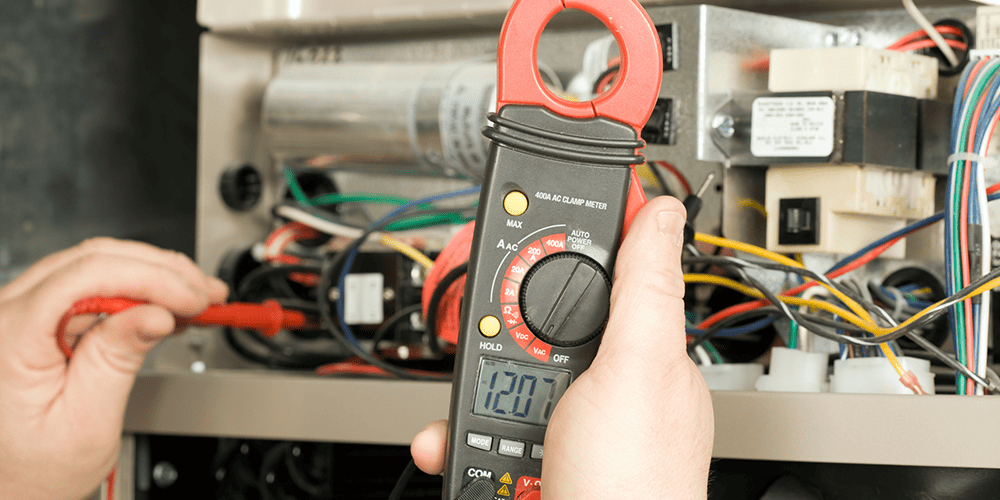
Lowering the risk of heating hazards takes scheduled service and working alarms. During an annual furnace tune-up, licensed technicians complete a full walkthrough of the heating unit. They inspect the heat exchanger, clean burner ports, and check flue draft. Technicians also test safety limit switches and check airflow.
A tune-up gives vital protection, but service is only one part of home safety. A single visit checks system condition on that day. Parts can wear out between annual visits, and snow or debris can suddenly block exterior vents. Safe heating requires both professional maintenance and reliable alarms. Proper detector placement gives you an early warning regarding carbon monoxide and your furnace.
Working carbon monoxide alarms provide an essential early warning. The Consumer Product Safety Commission recommends installing an alarm on every level of your home and outside each sleeping area, not inside an attic or basement unless someone sleeps there.2 You should also put an alarm in the basement near your furnace and water heater.
Test each alarm monthly with the test button, and replace batteries at least once a year.2 Follow the manufacturer’s instructions for when to replace the entire alarm unit; most models call for replacement every five to ten years, since the internal sensors degrade with age.
Don’t ignore a sounding carbon monoxide alarm. If the alarm goes off or anyone feels sick, leave the house at once. Get all family members and pets outside into fresh air.
Call local emergency services from outside your home. Do not go back inside until firefighters test the air and tell you it is safe. Once safety officials clear your home, call a heating technician to find and fix the leak.
Routine care for your heating system protects your home all winter long. Metal fatigue, blocked vents, and burner dirt develop slowly over years of use. Managing carbon monoxide and your furnace safety takes only a few basic checks next to routine maintenance.
Take a quick look at your heating unit each month during cold weather. Check the burner flame for a clean blue color. Look over vent pipes for soot, rust, or loose connections. Clear snow, ice, and wet leaves from outdoor vent pipes after heavy storms. These simple habits keep your furnace running right and bring dependable heat all season long.
Homeowners have multiple options when choosing heating contractors, from basic safety checks to complete combustion testing. When comparing local providers, make sure technicians carry state licensing, hold liability insurance, and provide clear written inspection reports. Selecting contractors with upfront pricing helps you get an accurate evaluation without unexpected costs.
For homeowners across Southeastern Wisconsin communities, including Waukesha County and Milwaukee County, New Berlin Heating & Air Conditioning provides detailed equipment inspections. Established in 1983, our licensed, experienced professionals offer upfront pricing and same-day service. Understanding carbon monoxide and your furnace helps you protect your home with confidence. Schedule a furnace safety inspection to keep your heating system running safely all year.
At New Berlin Heating & Air Conditioning, we are committed to ensuring that individuals with disabilities enjoy full access to our websites. In recognition of this commitment, we are in the process of making modifications to increase the accessibility and usability of this website, using the relevant portions of the Web Content Accessibility Guidelines 2.0 (WCAG 2.0) as our standard. Please be aware that our efforts are ongoing. If at any time you have difficulty using this website or with a particular web page or function on this site, please contact us by phone at (262) 999-5746; or email us at ([email protected]) and place “Web Content Accessibility (ADA)” in the subject heading and we will make all reasonable efforts to assist you.