

$49 Diagnostics + Waived w/ Repair
Achieving year-round home comfort doesn’t have to be a trade-off between energy efficiency and raw heating power. Can a single system really keep your home cozy when Wisconsin temperatures plummet below zero without breaking the bank? When looking at New Berlin Heating & Air Conditioning for your home, you might wonder, do heat pumps work in Wisconsin winters? The simple answer is yes. Modern systems are highly effective at heating homes during cold local months. Technology has advanced to handle freezing conditions easily. Today’s cold climate models pull warmth from the outside air. They do this even when temperatures drop well below freezing. These systems move heat instead of making it from scratch. This process makes them highly efficient for homes in Southeastern Wisconsin. This guide explains exactly how these systems perform in extreme cold. You will learn what you need to know before installing one.
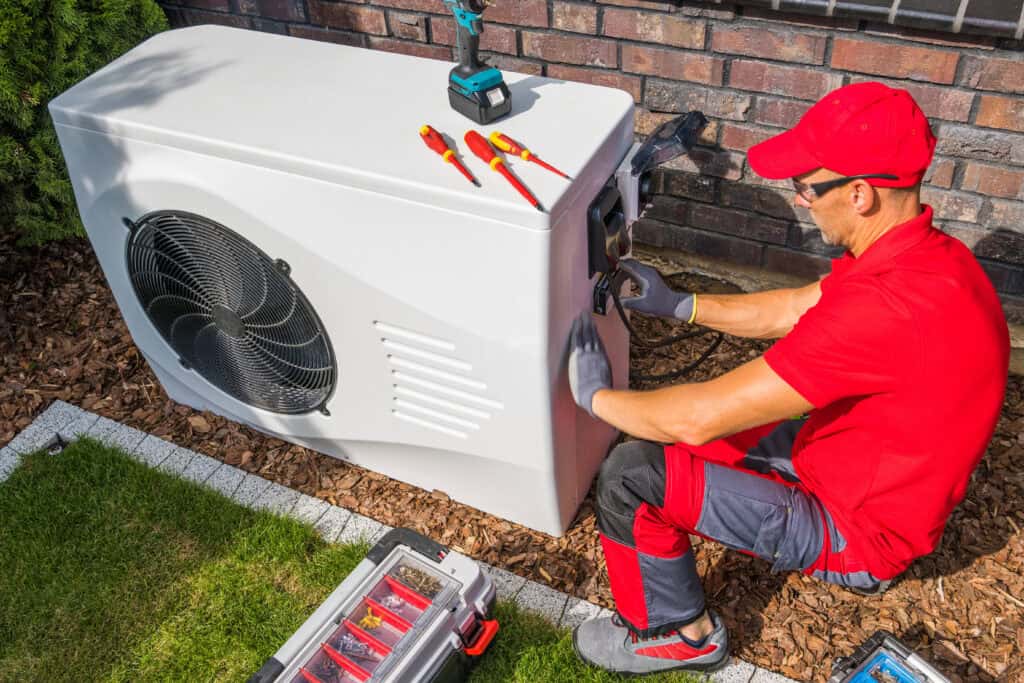
A traditional furnace burns fuel to create heat. A heat pump works differently. It absorbs heat from the outdoor air and moves it inside. Think of it like an A/C unit working in reverse. During the summer, an A/C pulls heat out of your house. During the winter, a heat pump pulls heat into your house. Even on a freezing January night in Southeastern Wisconsin, the air holds heat energy. Special refrigerants capture this heat easily. The compressor squeezes the refrigerant to make it hot before moving it indoors. This cycle repeats continuously to maintain your desired indoor temperature. If you are asking, do heat pumps work in Wisconsin winters, the technology speaks for itself.
Older models struggled when temperatures dropped near freezing. Today, variable speed compressors change everything. Cold climate heat pumps run well in sub-zero weather. Brands build these units just for northern areas.
Experts look at Northeast Energy Efficiency Partnerships (NEEP) ratings to judge these systems. NEEP keeps a list of cold climate heat pumps. A system must meet strict rules to make the list. It must run well at 5 degrees Fahrenheit. Many top models keep running at minus 22 degrees Fahrenheit.
Modern systems use smart technology to provide steady heat during the coldest months. You do not have to worry about the unit freezing. Modern systems have automatic defrost cycles. These cycles melt away frost and ice safely.
Standalone units perform very well. However, extreme cold requires planning. When neighbors ask, do heat pumps work in Wisconsin winters, they often worry about backup heating. When temperatures drop below a system’s balance point, backup heating becomes necessary. The balance point is the temperature where the heat pump’s output matches your home’s heat loss. Below this point, the system needs help to keep you comfortable. Homeowners usually choose between electric resistance heating and a gas furnace. Each option has distinct trade-offs.
Electric resistance heat strips sit directly inside the air handler. This makes the initial setup simpler. The setup requires no gas lines or venting. However, electric resistance uses a large amount of electricity to generate heat. If the backup runs frequently during a long cold snap, your winter electricity usage will spike. This option works best for highly insulated homes.
Many Southeastern Wisconsin homeowners choose a dual fuel system instead. This setup pairs an electric heat pump with a traditional gas furnace. The heat pump handles the heating duties for most of the season. When a severe polar vortex hits, the system automatically switches to the gas furnace.
Installing a gas furnace as a backup involves a higher initial cost. You must account for gas piping, venting, and the furnace unit. However, natural gas is often more economical than electric resistance heating during extreme cold. This smart switching maximizes energy efficiency. It also lowers long-term operating expenses. Your system monitors outdoor temperatures and chooses the most efficient heating source automatically. You enjoy high efficiency during mild winter days and raw heating power during bitter cold nights. This approach gives you the best of both worlds. It keeps your utility bills manageable while ensuring your home stays warm during the harshest Wisconsin weather.
Proper installation is the most critical factor for your new heating system. A unit that is too small will run constantly. It will fail to keep you comfortably warm during a blizzard. A unit that is too large will cycle on and off rapidly. This short cycling causes unnecessary wear and tear. It reduces the system’s lifespan and creates uneven temperatures throughout your house. When people ask, do heat pumps work in Wisconsin winters, proper sizing is a big part of the answer.
Technicians perform thorough Manual J load calculations to prevent these issues. This industry test determines the exact heating demand of your home. The calculation factors in your specific square footage, window types, and insulation levels. It also looks at your home’s orientation and ceiling heights. Proper sizing ensures your heat pump installation delivers maximum comfort and efficiency.
Keeping your system in peak condition requires regular maintenance. You should check the outdoor unit frequently during winter. Ensure it remains clear of snow drifts and ice accumulation. Do not let snow bury the unit after a heavy storm. The system needs adequate airflow to extract heat from the outdoor environment.
Scheduling professional heating maintenance before the snow flies is a smart preventative measure. Technicians will inspect the refrigerant levels and test the defrost controls. They check electrical connections and clean the coils. They also ensure your smart thermostat communicates properly with the equipment. Replacing your air filters regularly is another simple step you can take yourself. Clean filters improve airflow and reduce strain on the blower motor. A well-maintained system runs more efficiently and lasts longer. It prevents unexpected breakdowns during the coldest weeks of the year. Taking these steps protects your investment for years to come.
If you are still wondering, do heat pumps work in Wisconsin winters, the simple answer is a resounding yes. With the right equipment, proper installation, and a variety of heating options, you can enjoy consistent, energy-efficient warmth all season long. Modern technology has solved the challenges that older units faced in freezing weather. Homeowners who choose a standalone system or a dual fuel setup will find these systems provide a smart heating solution. They offer reliable comfort even when temperatures drop below zero.
If you are still wondering, “do heat pumps work in Wisconsin winters?”, New Berlin Heating & Air Conditioning is ready to help you find the perfect heating solution. Established in 1983, the company offers upfront pricing, same-day service, and expert installations from licensed and experienced professionals. Contact us today to schedule a walkthrough of your property. You can count on reliable service to keep your home warm and comfortable all winter long.
At New Berlin Heating & Air Conditioning, we are committed to ensuring that individuals with disabilities enjoy full access to our websites. In recognition of this commitment, we are in the process of making modifications to increase the accessibility and usability of this website, using the relevant portions of the Web Content Accessibility Guidelines 2.0 (WCAG 2.0) as our standard. Please be aware that our efforts are ongoing. If at any time you have difficulty using this website or with a particular web page or function on this site, please contact us by phone at (262) 999-5746; or email us at ([email protected]) and place “Web Content Accessibility (ADA)” in the subject heading and we will make all reasonable efforts to assist you.