

$49 Diagnostics + Waived w/ Repair
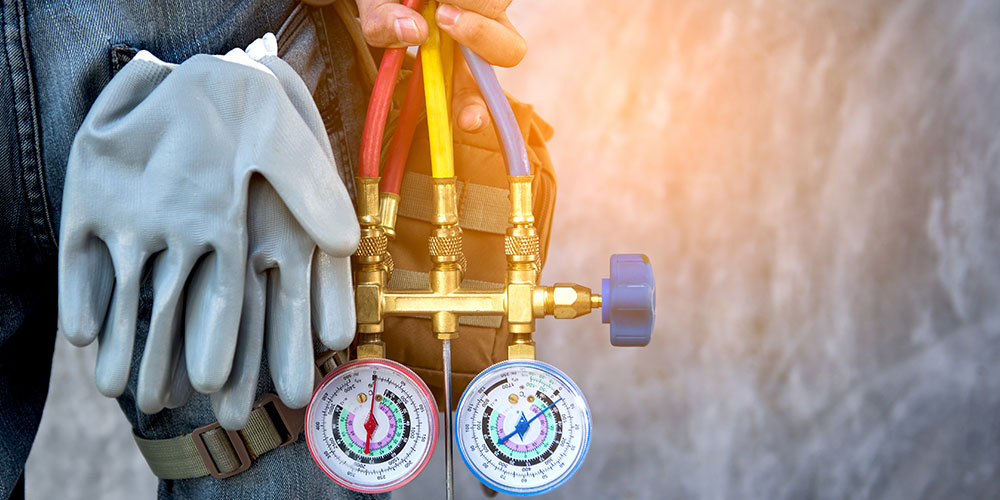
A reliable heating system is essential when temperatures drop across Southeastern Wisconsin. Winter temperatures in New Berlin frequently remain below freezing for weeks. To maintain a comfortable indoor climate throughout the season, you can perform several basic upkeep tasks before calling a professional.
The Department of Energy reports that proper maintenance can reduce heating costs by up to 30 percent. This guide covers how to monitor your air filters, manage airflow, and maintain necessary clearance around your unit. Regular care helps furnaces reach their expected 15- to 20-year lifespan while avoiding the cost of unexpected mid-winter service calls.
A furnace requires a steady flow of clean air to function. A dirty filter creates resistance, forcing the blower motor to draw more power, which wastes energy and increases the risk of system failure.
The American Society of Heating, Refrigerating and Air-Conditioning Engineers (ASHRAE) recommends checking filters every 30 days. Standard one-inch fiberglass filters typically require replacement every one to two months, while high-efficiency pleated filters may last up to 90 days. For optimal residential air quality, the EPA suggests using filters with a Minimum Efficiency Reporting Value (MERV) between 8 and 13. Higher MERV ratings trap smaller particles but restrict airflow if not changed frequently; always check your manufacturer guidelines before upgrading to a denser filter.
To check your filter, slide it out and hold it up to a light source. If light does not pass through the material, install a new one. Ensure the arrow printed on the new filter points toward the furnace when sliding it into the rack. Installing the filter backward restricts airflow and damages the system. Note the date on the edge of the new filter to track your maintenance schedule.
Furnaces require adequate ventilation to operate safely. The National Fire Protection Association (NFPA) safety codes require at least 30 inches of clear space around heating equipment. This clearance provides the system with necessary combustion air and allows technicians to perform safe inspections.
Airflow restrictions also occur in living areas. Inspect the supply and return registers in every room. Furniture, rugs, and heavy curtains can block these vents, causing pressure buildup in the ductwork that leads to leaks or blower motor strain. Blocked ventilation prevents even heating and can contribute to carbon monoxide accumulation. Test your carbon monoxide detectors every month when you check your furnace filter to ensure they are functional.
If specific rooms feel colder than others, check those registers first. Move any obstructions at least two feet away from the vent openings to prevent the system from overheating.
Your smart thermostat manages heating cycles. Verify that the device is set to “heat” and the fan is switched to “auto.” Running the fan constantly circulates cool air when the burners are off, reducing efficiency. The Department of Energy states that lowering your thermostat by seven to ten degrees for eight hours a day can save up to 10 percent on heating costs. Install fresh batteries annually to prevent communication failures during freezing weather.
Monitor your system for unusual sounds during a cycle. You should hear a gentle rush of air and the click of the burners igniting. Scraping noises often indicate a worn blower bearing; banging sounds can point to delayed gas ignition; and whining noises usually indicate the inducer motor requires attention. Document these sounds or unusual smells and report them to your technician during your annual inspection. Catching these early warning signs prevents minor issues from turning into major repairs.
Proactive home heating care saves you time and stress. Swapping out air filters and clearing blocked vents provide a solid foundation for a reliable winter.
Professional tune-ups work alongside your own regular inspections. Industry standards suggest scheduling a professional inspection once a year. While your monthly checks ensure the system receives proper airflow, technicians perform the complex diagnostics required to ensure the furnace operates safely.
While DIY maintenance is a great start, professional inspections are essential to ensure your system runs safely through the harsh Southeastern Wisconsin winters. Since 1983, New Berlin Heating & Air Conditioning has helped homeowners across Waukesha County maximize their system’s efficiency and longevity. Our licensed technicians perform rigorous safety diagnostics, including testing flame sensors and inspecting heat exchangers for hairline cracks. These detailed inspections do not just solve immediate issues; they prevent costly mid-winter breakdowns.
We service all major heating brands, including Lennox, Rheem, and Bradford White, providing transparent, upfront pricing for every visit. Whether you need a scheduled seasonal tune-up or urgent emergency repair, our team delivers the reliable service required to keep your home comfortable. Don’t wait for a heating failure to happen. Contact New Berlin Heating & Air Conditioning today to schedule your professional furnace maintenance.
At New Berlin Heating & Air Conditioning, we are committed to ensuring that individuals with disabilities enjoy full access to our websites. In recognition of this commitment, we are in the process of making modifications to increase the accessibility and usability of this website, using the relevant portions of the Web Content Accessibility Guidelines 2.0 (WCAG 2.0) as our standard. Please be aware that our efforts are ongoing. If at any time you have difficulty using this website or with a particular web page or function on this site, please contact us by phone at (262) 999-5746; or email us at ([email protected]) and place “Web Content Accessibility (ADA)” in the subject heading and we will make all reasonable efforts to assist you.