$49 Diagnostics + Waived w/ Repair
A new heating and cooling system is a major investment for your home. When you install new equipment, contractors often offer HVAC extended warranties. These agreements protect you from repair bills after standard factory terms run out. Choosing extra protection takes a close look at manufacturer rules. You also need to weigh local technician labor rates against tough local weather.
Wisconsin weather pushes home comfort systems hard all year long. Freezing winter cold forces furnaces to run day and night. High summer humidity forces an A/C unit to run for weeks without a break. This heavy workload leads to normal wear and tear on moving parts.
Factory warranties pay for parts that fail due to manufacturing defects. Most factory terms do not cover the labor needed to install replacement parts. An extended service plan protects your household budget from sudden repair bills. These plans come with specific rules, service duties, and set limits. Homeowners should review every detail before making a final choice.
New heating and cooling equipment comes with a base factory warranty from the maker. Knowing where factory coverage stops helps you avoid sudden repair expenses.
Manufacturer warranties typically cover parts for five to ten years, and many brands require online registration, often within 60 days of installation, to reach the longer end of that range.1 This registered warranty covers major parts such as blower motors, circuit boards, and compressors. Makers also offer extended coverage on heat exchangers during a new furnace installation, sometimes running 20 years or longer.
Factory agreements generally supply replacement parts only, excluding labor. Refrigerant and diagnostic fees are usually excluded unless a plan specifically states otherwise.1 If a compressor fails in year seven, the manufacturer provides the new part, but you can still owe hundreds of dollars in labor to diagnose the issue and finish the repair.
An extended labor agreement covers the labor gap left by factory policies. It pays for technician time, travel fees, and repair work, often for terms of five to ten years or longer.1 Major repairs like replacing a compressor or indoor coil can take several hours of skilled labor. Without an extended agreement, those labor hours come directly out of your pocket. An extended labor plan removes sudden repair bills while your contract stays active.
Check your plan details before you buy extra coverage. Warranty providers and equipment makers offer plans with distinct terms.
Extended plans cover mechanical and electrical failures that happen during normal daily use. They protect essential parts such as blowers, control boards, reversing valves, and compressors. At the same time, these agreements exclude external damage. They do not pay for repairs caused by power surges, lightning strikes, pests, or basement floods.
Plans also exclude routine maintenance supplies. Homeowners must still replace air filters, clear outdoor debris, and change humidifier pads. If you need sudden air conditioner repair for a bad capacitor, an extended plan covers the job. If a falling tree limb crushes your outdoor condenser, your homeowner insurance policy handles that damage.
Most protection plans require documented annual maintenance by licensed professionals. Heating and cooling systems require routine cleaning, electrical checks, and tune-ups to run safely. If a major part fails and you lack professional maintenance records, the warranty administrator can deny the claim. Scheduling annual heating and cooling maintenance keeps your equipment running smoothly and keeps your warranty active.
Extra protection depends on your plans, budget, and equipment type. Not every homeowner needs an extended plan. Even so, many homeowners value the steady protection these contracts offer.
Consider how many years you plan to live in your home. If you expect to move within three years, an extended labor plan rarely provides good value. Some equipment makers allow homeowners to transfer a registered parts warranty to a new buyer within a set window after the sale. Check the specific policy for your equipment. In contrast, many third-party labor contracts do not transfer to new owners. If you plan to stay in your home for seven to ten years, HVAC extended warranties offer strong financial value. Mechanical parts wear out much faster after five years of daily use.
Modern high-efficiency systems use multi-stage compressors, modulating gas valves, and variable-speed fan motors. Equipment like ductless mini-splits and advanced heat pump systems rely on sensitive printed circuit boards and electronic sensors. Servicing these parts requires special diagnostic tools and factory training. When complex systems fail, labor hours add up fast.
Homeowners who prefer predictable annual expenses often choose extended labor protection. A comprehensive warranty keeps an unexpected winter heating breakdown from disrupting your family budget. If you want predictable costs rather than an unpredictable emergency repair fund, an extended agreement delivers strong value.
Choosing extra protection means balancing risk, cost, and comfort. Factory warranties protect you from part defects during the first several years. However, factory terms leave technician labor costs to you.
When reviewing HVAC extended warranties, ask direct questions about the agreement. Check whether the policy comes from the original equipment maker or an independent warranty firm. Find out if the plan pays for diagnostic fees and refrigerant, or only simple labor hours. Confirm whether you must call one designated service team or if any licensed contractor can perform the work.
Wisconsin homes face harsh weather shifts during every season. A heating system that shuts down on a freezing January night requires quick help from qualified technicians. If you plan to live in your home for years, extended labor coverage shields you against rising labor rates. Pairing extended coverage with scheduled seasonal maintenance keeps your home safe and comfortable all year long.
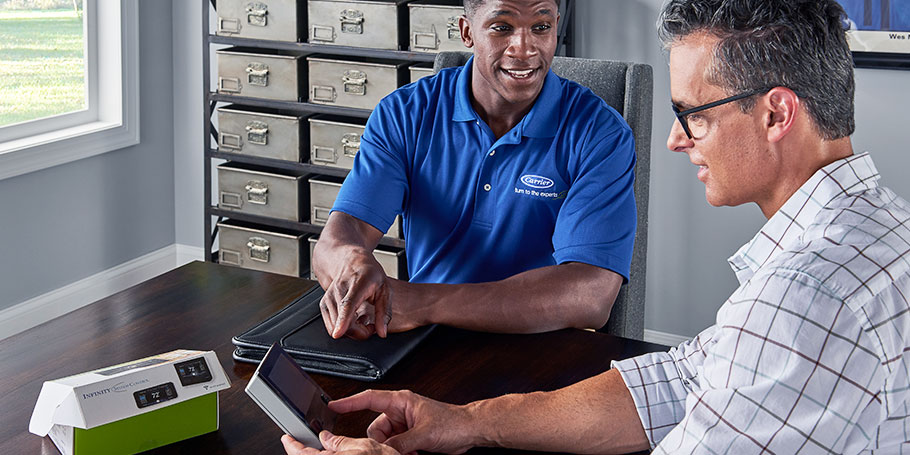
Choosing the right heating and cooling protection starts with trusted local advice. New Berlin Heating & Air Conditioning has served Southeastern Wisconsin, including Waukesha County, since 1983. Our team provides honest recommendations and upfront pricing on every installation. Our licensed professionals can inspect your equipment, explain warranty terms during an in-home walkthrough, and deliver routine maintenance to keep your system reliable.
If you need help comparing warranty plans or want to schedule seasonal service, our team is ready to assist. Schedule a warranty consultation with New Berlin Heating & Air Conditioning to book an equipment walkthrough or arrange your next maintenance visit.
At New Berlin Heating & Air Conditioning, we are committed to ensuring that individuals with disabilities enjoy full access to our websites. In recognition of this commitment, we are in the process of making modifications to increase the accessibility and usability of this website, using the relevant portions of the Web Content Accessibility Guidelines 2.0 (WCAG 2.0) as our standard. Please be aware that our efforts are ongoing. If at any time you have difficulty using this website or with a particular web page or function on this site, please contact us by phone at (262) 999-5746; or email us at ([email protected]) and place “Web Content Accessibility (ADA)” in the subject heading and we will make all reasonable efforts to assist you.